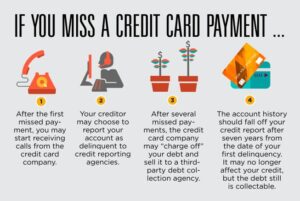

The best credit cards for transferring balances frequently offer generous introductory 0% APR periods that last longer than a year. 7 Best Balance Transfer Credit Cards
Many have appealing regular balance transfer APRs that are still much lower than the balance transfer rates of other cards (and, frequently, lower than their purchase APRs).
Additionally, some have minimal or nonexistent balance transfer fees.

Getting Access to funds when you need it just got easier
Get $5,000 Venmo Transfer Click Here
Get Instant $10,000 Zelle Transfer Click Here
Get $10,000 USD Cashapp Transfer Click Here
Best Balance Transfer Credit Cards: 7 Best Balance Transfer Credit Cards
These are the best credit cards for balance transfers on the market right now.
Best Overall: Chase Freedom Unlimited® credit card

The Chase Freedom Unlimited® credit card has a lot going for it beyond its unusually long introductory APR promotion—enough to make it our top overall pick in this category.
That introductory promotion promises 0% APR on purchases and balance transfers for 15 months (billing cycles). After that, variable regular APR applies (currently 20.49% – 29.24%, depending on your creditworthiness).
Additional features:
- Earn 5% cash back on eligible Chase Travel℠ purchases.
- Earn 3% cash back on eligible drugstore and restaurant purchases.
- Earn 1.5% cash back on all other eligible purchases.
- Earn an additional 1.5% cash back on everything you buy (up to $20,000 spent in the first year)—worth up to $300 in cash back!
- No annual fee.
- Enjoy extended warranty coverage and complimentary secondary coverage on car rentals purchased in full with your card.
Learn More About the Chase Freedom Unlimited Credit Card
Best for Flat-Rate Cash Back: Citi® Double Cash Card
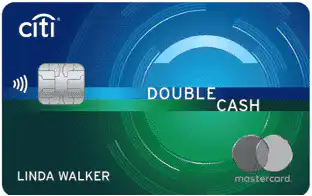
The Citi® Double Cash Card is a cash-back credit card with a nice balance transfer promotion: 0% APR for 18 months on all balance transfers initiated within four months (120 days) of account opening. Following the end of the promotional period, the variable APR is 18.99% to 28.99%, based on your creditworthiness.

Explore new paths and unlock greater financial opportunities
Get $50,000 Venmo Transfer Click here
$10,000 Western Union Transfer Click here
Get $500,000 Bank Account Transfer Click Here
The Citi Double Cash Card’s standout feature is a flat-rate cashback programme that works as follows:
- Earn unlimited 1% cash back on all purchases when you make them
- Earn an additional 1% cash back on all monthly payments, provided you at least make the minimum payment on time
Put that together, and you’ve got an unlimited 2% cashback rate.
Additional features: 7 Best Balance Transfer Credit Cards
- None
- Once you reach the $25 redemption minimum, you can redeem cash back by statement credit, paper cheque, or gift card.
- No annual fee.
- 3% foreign transaction fee.
- The balance transfer fee is the greater of $5 or 3%.
- Like other Citi cards, Double Cash comes with Private Pass benefits (exclusive event and experience access).
Learn More About the Citi Double Cash Card
Best for No Late Fees: Citi Simplicity® Card

The Citi Simplicity® Card is, well, simple. Though it doesn’t offer a sign-up bonus or cashback rewards, it has one of the best balance transfer promotions in the business: 0% APR for 21 months from account opening.
The introductory rate applies to all balances transferred within four months (120 days) of account opening. Then, a variable regular APR applies, depending on prevailing interest rates and your creditworthiness — currently 18.99% to 29.74%.
Unlock your potential and step into the next level of wealth
Get $5,000 Venmo Transfer Click Here
Get Instant $10,000 Zelle Transfer Click Here
Get $10,000 USD Cashapp Transfer Click Here
But Citi Simplicity really stands out for one low-key reason: This card never charges late fees. This is especially crucial if you’re facing financial difficulties or if your scheduled payment fails due to unforeseen circumstances.
Additional features:
- Enjoy 0% APR (annual percentage rate) on purchases for 12 months from account opening, then a variable regular APR applies.
- No annual fee.
- No foreign transaction fees.
- The balance transfer fee is the greater of $5 or 3%.
- Additional value-adds include 24/7 customer service and the ability to choose your payment due date.
Learn More About the Citi Simplicity Card
Best Sign-up Bonus: Citi Custom Cash℠ Card on 7 Best Balance Transfer Credit Cards

The Citi Custom Cash℠ Card is a cash-back credit card with no annual fee and a very attractive 0% APR balance transfer promotion that lasts for 15 months from account opening.
This promo pairs with an equally long purchase APR promotion as well. Thereafter, a variable regular APR applies (currently 18.99% to 28.99%), based on your creditworthiness and prevailing rates.
Beyond the balance transfer and purchase promotions, Citi Custom Cash stands out for its generous, easy-to-attain sign-up bonus: Earn $200 bonus cash, fulfilled as 20,000 ThankYou points, after spending $1,500 in eligible purchases during the first 6 months your account is open.
That’s not the highest dollar value you’ll find on a credit card sign-up bonus, but it’s super easy to snag. Most of us can afford that rate of spending.

Discover smarter ways to grow and elevate your financial future
Get $20,000 PayPal Transfer Click Here
Get $50,000 Cashapp Transfer Click Here
Get $100,000 Bank Account Transfer Here

Unlock your potential and step into the next level of wealth
Get $5k USD Western union Transfer Hack
Get $100k USD Venmo Transfer
Get $100k USD Zelle Transfer Hack
Additional features:
- Earn 5% cash back on the first $500 in purchases in the top eligible spending category each month.
- For purchases above the $500 monthly spending cap, you will earn 1% cash back on top category purchases and on all other eligible purchases as well.
- Spending categories eligible for the bonus include restaurants, gas stations, select travel, select transit, select streaming services, live entertainment, home improvement stores, and drugstores.
- No annual fee.
- Foreign transactions cost 3% of the transaction amount.
Learn More About the Citi Custom Cash Card
Best for Purchases and Balance Transfers: U.S. Bank Visa® Platinum Card

The U.S. Bank Visa® Platinum Card is a straightforward credit card that offers an excellent balance transfer promotion: 0% intro APR for the first 18 months of card membership, available for a limited time only. To qualify, transfers must be made within 60 days of account opening.
What sets this card apart is its matching 0% intro APR promotion for purchases. Its 18-month stretch is a rarity in the low-APR world.
Following the conclusion of the 0% periods, a variable regular APR applies (currently 18.74% – 29.74%, depending on your creditworthiness and prevailing rates) on both purchases and balance transfers.
Additional features:

Step forward and unlock powerful financial opportunities
Get $20k USD Western union Transfer Click here
Get $5k USD Zelle Transfer Hack Click here
Get $1m USD Money Transfer Click here
- No annual fee.
- Balance transfers cost either $5 or 3%, whichever is greater.
- Get complimentary auto insurance coverage when you pay for your entire car rental with your U.S. Bank Visa Platinum Card.
- Foreign transaction fees are 3%
- Enjoy cell phone protection worth up to $600 per incident (less a $25 deductible).
Best for Contactless Payments: BMO Bank Platinum Mastercard®

The BMO Bank Platinum Mastercard® comes with a convenient set of features for people who prefer contactless payments. The standout is BMO’s Tap & Go® solution, which enables quick, secure tap payments at any contactless point of sale.
Plus, add your card to Google Pay, Apple Pay, or Samsung Pay for seamless transactions in person and online.
Additional features:
- 0% intro APR on balance transfers for 15 months from account opening
- Matching 0% APR purchase promotion for 15 months from account opening
- Enjoy unique experiences around the world with Mastercard Priceless Cities
- Use BMO’s Total Look feature to see your BMO and non-BMO financial information at a glance
How to Choose the Best Balance Transfer Credit Card
Gearing up to apply for a balance transfer credit card but not sure you’re thinking about your options properly?
Take a step back and think about what you’re hoping to get out of your card. Consider:
- Whether the card has an annual fee
- Whether the card earns rewards, and if so, how generous its rewards program is
- Any sign-up bonuses or other promotional offers offered in addition to the balance transfer offer
- Whether the card has a 0% APR promotional period for purchases as well
- Any other benefits or perks of card membership
Then, assess the quality of the balance transfer offers. Pay special attention to:
- The length of these cards’ promotional interest periods (if applicable)
- The APR once the promotional period expires
- Any terms or restrictions that lessen their appeal
When you’ve done all this, you’ll probably be closer to a decision than before. All that’s left is to weigh the pros and cons of each finalize and choose the card that best fits your needs.

Fund your business and lifestyle with this money hack
Get $20k USD Western Union Transfer Click here
Get $5k USD Zelle Transfer Hack Click here
Get $1m USD Money Transfer Click here
What is a 0% Balance Transfer Credit Card? 7 Best Balance Transfer Credit Cards
Balance transfer cards are a type of credit card to which you can transfer the balance from one or more other cards. A 0% balance transfer credit card offers an initial 0% interest rate on the debt you transfer for a set period of time.
0% balance transfer credit cards can be a great way to consolidate and reduce your debt. With no interest to pay initially, you can focus on making sure your payments lessen the initial debt instead of accrued interest.
It’s important to be aware that this initial offer will expire after a period of time, so make sure to pay attention to the terms of the card when conducting your research!
While there’s no initial interest, some cards will charge a balance transfer fee, which is a fee to move your original debt to the new card. This will add to your overall debt, especially as it’s typically around 3–5% of the original amount.
For this reason, it’s important to do your calculations properly to see if a credit card for balance transfers is the best financial move for you.
How Does a 0% Balance Transfer Work? 7 Best Balance Transfer Credit Cards
A 0% balance transfer card works by allowing you to transfer your initial debt from an existing credit card, or multiple cards, to a new one at 0% interest. As you are no longer paying the interest accrued, this means that all of your repayments will go solely towards paying off your balance instead.
While this type of card can be a great way to reduce your debt, pay attention to the terms of the 0% APR and whether or not there are any balance transfer fees associated with your new card.

Unlock your potential and step into the next level of wealth
Get $5k USD Western union Transfer Hack
Get $100k USD Venmo Transfer
Get $100k USD Zelle Transfer Hack
What Is a Balance Transfer Fee?
A balance transfer fee is a one-off charge to move your debt from your old card to your new one.
Do your research properly when investigating which credit card for balance transfers is right for you, as these rates vary.
In some cases, a balance transfer fee can add debt to your initial amount, which may actually cost you more in the long run! Therefore, it’s important to do your maths carefully.
How Long Does a Balance Transfer Take?
Depending on your card issuer, the time it takes for a balance transfer to occur varies; however, it’s usually between 2 and 7 days.
For a more accurate timescale, check with your issuer; some banks take up to 6 weeks. Ultimately, it will depend on both the bank you’re transferring from and the one you’re transferring to.
How To Do a 0% Balance Transfer
After conducting your calculations, it appears that a balance transfer card is the most suitable option for you. Hopefully, you have chosen your new 0% balance transfer card from the options above.
You’ve checked to see if there’s a balance transfer fee, what the terms of the 0% balance transfer card are, and the ongoing interest rate once it expires. What next?

Explore new strategies and build a brighter financial future
Get $10k USD Western union Transfer Hack
Get $50k USD Zelle Transfer Hack
Get $5k USD Paypal Transfer Hack
Here are the steps to complete a balance transfer:
Step #1: Apply For a 0% Balance Transfer Card
Once you’ve narrowed down which card will work best for you and ensured that your credit score is in excellent health, make your application.
Bear in mind that most banks will have a set period of time for you to take advantage of their 0% offer for balance transfers. Once you’ve opened the account, please proceed to apply for the card promptly.
Most issuers won’t let you transfer from one of their cards to another. As such, make sure the 0% balance transfer card you want to transfer to is from a different bank!
Step #2: Inform Your New card Issuer
You’ll need to tell your new card issuer that you want to process a transfer. Some banks will allow you to do this online, or through their mobile app.
If this option isn’t available, simply call the issuer’s customer service line. You can usually find this phone number on the back of your card or online.
Step #3: Provide Information to Your New Issuer
Your new issuer will need various information from you, including the account number you wish to transfer your debt from, and how much you’re wanting to transfer.
Discover the path that leads to financial growth and freedom
Get $10k USD Western union Transfer
Depending on your issuer and the new card’s credit limit, you may only be able to transfer part of the total amount. It’s important to note that you won’t know what your new card’s credit limit is until after you’ve made the application.
Step #4: Keep Up Payments On Your Old Card
Continue making the minimum payment on your old card while the transfer is in progress.
Failure to do so could incur late fees and charges and potentially damage your credit score. Therefore, you only stop these regular payments once your old account shows that the transfer has been completed!
Step #5: Keep an Eye On Your Accounts
Once your debt has transferred from your old card to your new one, start making payments on your new card.

Explore fresh opportunities that lead to financial growth
Get $20,000 PayPal Transfer Click Here
Get $50,000 Cashapp Transfer Click Here
Get $100,000 Bank Account Transfer Here
Remember, you’ll likely have a finite amount of time to take advantage of the 0% APR offer, so begin to reduce your debt as soon as possible.
Step #6: Don’t Destroy Your Old Card!
While it may seem counterintuitive, don’t cancel your old account and destroy your credit card! Closing a paid-off credit card can actually be damaging to your credit score.
As long as there are no fees associated with keeping the account open, put the old card away somewhere safe and leave it alone. You can make a small purchase with the unused card each year to keep it active.
How Much Money Can I Save With a 0% Balance Transfer? 7 Best Balance Transfer Credit Cards
How much money you can save with a 0% balance transfer will vary by individual, but for a more exact estimate, you can use a balance transfer credit card calculator.
Simply input your current card’s APR and balance transfer fee to see what your potential savings could be. To calculate your savings, you’ll need to know your current card’s APR, your current debt (outstanding balance), monthly repayment amount, balance transfer fee (if any), and how long the 0% APR offer is for.
For example:
- Assuming that you have a $5,000 outstanding balance on a card with a 19.4% APR
- To find your daily APR, convert your percentage to a decimal (divide by 100), and then divide by 365. (daily APR = 0.00053, in this example)
- Your interest charge, then, would be 0.00053 x $5,000 x 30 (days in your billing cycle).
- Your interest per billing cycle would be $79.50.
If you were to pay off your debt by $500 every month, it would take you 11 months to repay it and cost you almost $500 in interest (bearing in mind that your interest will depreciate a little each billing cycle).
By contrast, if you were to transfer your $5,000 debt to a 0% balance transfer card, you would be able to repay this within 10 months by keeping up with those $500 monthly payments.
Even if you had to pay a 3% balance transfer fee ($150), you would still save around $350.
Pros & Cons on 7 Best Balance Transfer Credit Cards
Credit cards for balance transfers can be an excellent way for you to pay off your credit card debt and save money, but only in certain circumstances. As always, it’s important to weigh the pros and cons of any financial decision.
Pros
- Save on your interest payments. As long as you repay your debt within the time period specified, with 0% APR, you’ll avoid paying those pesky interest accruements.
- Pay your debt quickly. By using the money you’ve saved in interest, you can pay your debt more quickly. Make sure you don’t delay, or you could end up paying more interest once the initial 0% term runs out.
- Consolidate multiple credit cards. By transferring all of your existing credit card debt to one card, you’ll be able to keep track of all of your debt in one place.
- Get better terms on your new card. In addition to a 0% APR, there may be other, better benefits that’ll better suit you and your circumstances with a new card, such as cash back rewards, travel points, or no annual fees that can enhance your overall financial situation. Be sure to check what the regular interest rate is outside of the initial offer terms.
- You could improve your credit score. Simply applying for a new line of credit and being approved will give you more credit, raising your score. Then, as long as you’re able to make regular payments to your transferred balance and don’t accrue more debt, your credit utilization ratio will drop – and your credit score will increase!
Cons
- Watch out for balance transfer fees. Some cards will charge you to move your debt and, typically, this is around 3–5% of the original amount. Add this figure to your calculations, or even better, look for a balance transfer card without transfer fees.
- Transfer limits may apply. You won’t find out your credit limit until after you’ve applied. Your limit may mean that you aren’t able to transfer your entire debt to the new card.
- Is your credit score strong enough? If you’re still trying to build up your credit profile, you may not be approved for the card you want. You’ll usually need a very strong credit score to apply for a balance transfer card.
- Failing to pay off your debt in the 0% period could put you in a worse position. If you fail to pay off your debt before your initial 0% APR (annual percentage rate) period expires, you may end up paying even more interest than your previous card. Be sure to check the terms of the card you’re applying for before you apply.
- Balance transfers are a short-term solution. Balance transfers are excellent for those who want to pay off their debt faster and interest-free. But remember: you’re simply moving your debt from one place to another! If you have an ongoing problem with overspending, your situation will only change if your spending habits change.
- Spending on a balance transfer card may be disadvantageous. Try to avoid accruing further debt on your new balance transfer card, as the interest could be very high. Instead, think about a combined balance transfer and purchase credit card, or a separate card for spending.
How to Maximize Your 0% Balance Transfer Credit Card
Now that you have it, to make sure that you get the most out of your 0% balance transfer credit card, there are a few tips you should follow:
- Make your balance transfer credit card a single-use card. In other words, use it to pay off debt, not for purchases. This way, you can avoid accruing more debt or paying expensive interest fees.
- Start your transfer quickly. Some cards have a specific period of time in which you need to begin transferring your credit balance. Failure to do so could mean that you miss out on the full benefits the card has to offer.
- Pay on time and more than the minimum, if possible. Late payments lead to late fees, which just adds to your debt. Since the aim of the game is to pay off your debt as quickly as possible and without accruing further debt, ensure that you pay at least your minimum balance, if not more, and do so on time. If you’re likely to forget, you can set up automatic payments to make sure that the work is done for you.
- Make a plan and follow it. Ideally, you want to pay off your debt within the 0% APR (annual percentage rate) period, which is the time frame during which you are not charged interest on your balance. Match your payments with the terms of your balance transfer card and avoid paying further interest.
- Don’t fall prey to the grace period trap. When you transfer your balance from one card to another, your new card will have a monthly balance, which can affect your grace period. This can lead to unexpected interest charges. Read the terms and conditions of the new balance transfer card carefully to ensure that you won’t fall into these unfortunate circumstances.
- Lower your old card’s credit limit. As previously mentioned, closing the account completely could affect your credit. However, if you lower your credit limit instead and keep the card in use, you’ll still be able to use it for emergencies (but won’t be tempted to use it regularly). But if you don’t pay it off each month, you’ll end up with more debt.
FAQs on 7 Best Balance Transfer Credit Cards
Still have questions about balance transfers and balance transfer credit cards? These are a few questions that invariably come up for new users of balance transfer cards.
What Happens When You Make a Payment on a Balance Transfer Credit Card?
If you intend to use a new credit card to make low- or no-interest balance transfers, remember that your minimum monthly payment will always go toward that low- or no-interest balance.
If the card doesn’t also have a special introductory purchase APR (annual percentage rate), any purchases you make with that card will accrue interest charges unless you pay them off in full by each statement due date.
To avoid interest charges on low- or no-APR balance transfer cards without purchase APR promos, you have two options:
- Pay off all purchases in full each month and make the monthly minimum payment on any transferred balances, OR
- Refrain from making any purchases at all
If neither option sounds appealing to you, look for low- or no-APR (annual percentage rate) balance transfer cards with identical purchase APR deals. That way, you don’t have to choose which type of balance to pay down first.
What Happens If You Don’t Pay Off Your Balance Transfer in Full During the Promotional Period?
It depends. Some cards defer interest during the 0% APR period, which means you’re liable for all the interest you would have paid on the balance during the period if you don’t pay off your balance in full by its end.
Read your cardholder agreement’s fine print to find out if your situation is the case. Even if it’s not, if you transfer a high-interest balance to a card with a temporary promotional balance transfer APR and then fail to pay it down before interest rates spike, you’ll find yourself dealing with another pile of debt that’s rapidly accumulating interest.
Should You Use Your Balance Transfer Card for Purchases?
If you can afford it, sure. Ideally, your card should have an identical 0% APR (annual percentage rate) promotion on purchases as well.
If you make large purchases during the promotional period, your balance could be higher than when you opened the account, even if you use your card responsibly.
If you’re really committed to reducing your debt and living within your means, you should refrain from making large purchases with credit cards used primarily for balance transfer purposes.
What Are Balance Transfer Fees?
Most credit cards charge a fee for each balance transfer. This fee usually ranges from 3% to 5% of the total transfer amount, but it can be a flat dollar amount (usually $5) on smaller transfers.
Balance transfer fees are one-time fees assessed separately from interest charges, which accrue by the month.
Methodology on 7 Best Balance Transfer Credit Cards
We use several key factors to assess credit cards for balance transfers and point our readers to the best on the market.
The most important of these factors relate to the balance transfers themselves: the promotional interest rate, the length of the promotional period, any associated fees, and the like. We also look for other key value-adds, such as rewards and bonus point offers for new card members.
Promotional Interest Rate
This being a roundup of the best credit cards for balance transfers, the promotional interest rate is absolutely critical. All the cards on this list waive interest entirely—0% APR— for the duration of their promotional periods.
Promotional Period Length on 7 Best Balance Transfer Credit Cards
The longer the promotional period, the better. We prefer cards with 0% APR balance transfer offers that last for 12 months or longer, with 15 months or longer being ideal. The best exceed 20 months.
Balance Transfer Fees
Some cards waive balance transfer fees, but most charge 3% to 5% of the total transfer amount. That’s acceptable, but again, lower is better here.
Low-APR Purchase Promotion
We’re big fans of credit cards with dual balance transfer and purchase promotions, preferably both at 0% APR. You’ll notice that many credit cards on this list meet this requirement, and we’re constantly on the lookout for more.
Credit Card Rewards
Transfer credit cards for balance transfers aren’t known for amazing rewards programs, but there’s more choice on this point these days than in the past. Where possible, we look for cards offering the best of both worlds: long 0% APR balance transfer promotions set against generous cash-back or travel rewards schemes.
New Cardmember Welcome Offer (Sign-up Bonus) 7 Best Balance Transfer Credit Cards
Who doesn’t love a good sign-up bonus? We certainly do. This is why we prefer credit cards for balance transfers that also offer solid boosts for new cardholders able to clear a pre-set spending threshold during the first few months of membership.
Card Fees
Other than the balance transfer fee, the most relevant fee here is the annual fee. Fortunately, most balance transfer credit cards don’t charge annual fees, and we’re sceptical of those that do.