
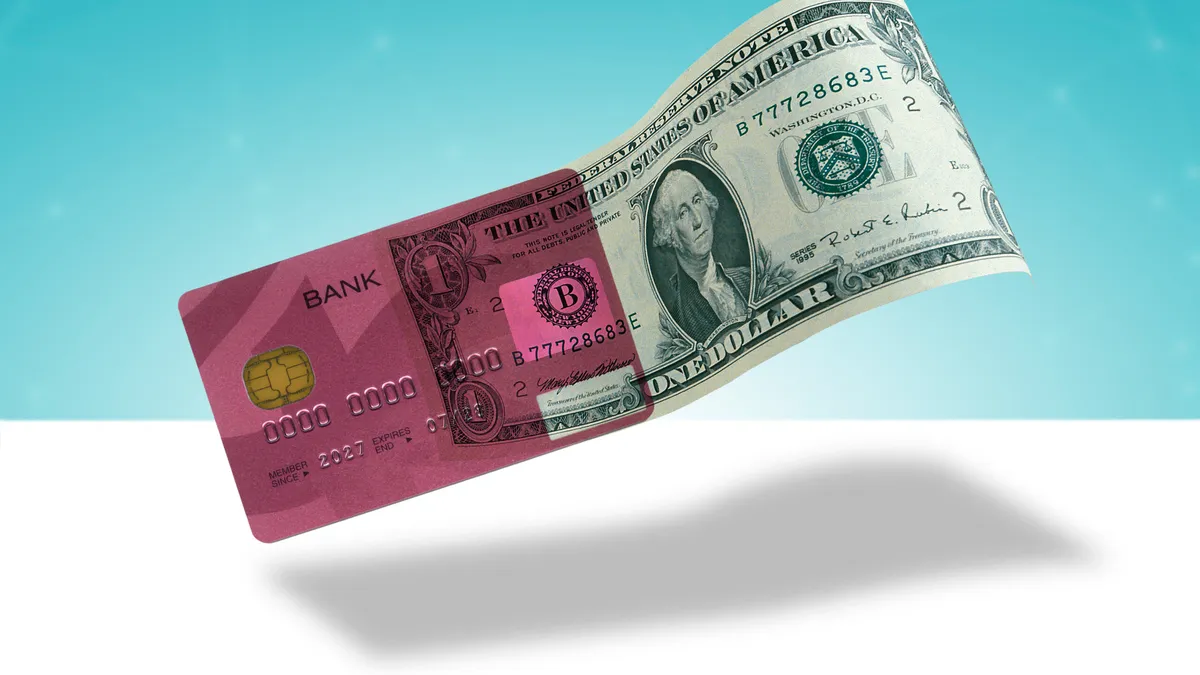
A part of Morgan Stanley came up with Cash Back on credit cards in 1986. It is a way to reward customers. [1] What is Cash Back on Credit Cards?
A part of all the money you borrow on your credit card is returned to you as a bank deposit or as a “statement credit”, which means it is taken out of your next credit card payment. The money you get back is special because you can use it anywhere!
The types of cashback programmes that each bank or credit card company offers make things a little more complicated.

Getting Access to funds when you need it just got easier
Get $5,000 Venmo Transfer Click Here
Get Instant $10,000 Zelle Transfer Click Here
Get $10,000 USD Cashapp Transfer Click Here
In this article, we’ll briefly talk about the two main types. We’ll also talk about how to use cashback systems and the good and bad things about each one.
When you use a credit card, you should always know what you’re doing. You can use cashback systems to control how much and where you spend your hard-earned money.
Read on to find out what you’re getting into and how to pick the best cashback programme for you!
What Is Cash Back On A Credit Card?
Cash Back on a credit card is a rewards programme provided by a credit card issuer. A certain percentage of the cardholder’s spending is given back to them either as a statement credit or a bank deposit.
A cardholder earns cash back by spending a certain amount of money or shopping with particular brands. The specifics of each Cash Bank scheme will depend on the credit card company which offers it.
This cash can be used anywhere, unlike other reward schemes which are often tied to credit card companies or partner brands.

Explore new paths and unlock greater financial opportunities
Get $50,000 Venmo Transfer Click here
$10,000 Western Union Transfer Click here
Get $500,000 Bank Account Transfer Click Here
Most issuers have different programs you can choose from, so it’s highly recommended that you pick one that maximises your rewards based on your spending habits!
Learn More: Best Cashback Credit Cards
How Does Cash Back On A Credit Card Work?
There are two main types of schemes: Flat Rate and Bonus Categories.
In a flat-rate plan, you will receive a small check or statement credit at the end of each month. Usually, this amount is between 1% to 1.5%.
Bonus categories are initiatives that offer cash back if the cardholder spends according to specific instructions.
Both types are defined in detail below.
Unlock your potential and step into the next level of wealth
Get $5,000 Venmo Transfer Click Here
Get Instant $10,000 Zelle Transfer Click Here
Get $10,000 USD Cashapp Transfer Click Here
1. Flat Rate
Your flat rate might be low or high, depending on your credit score. The higher it is, the more cash back you could be eligible for.
If you have relatively poor credit (580 or below), you will be limited to cards like the Deserve EDU Mastercard, which offers a lean 1$ Cash Back on all purchases.
If you have a good-to-excellent credit score (650-800), then you will be able to get cards with higher Cash Back percentages.
The Blue Cash Preferred card from American Express gives you a 6% Cash Back up to the soft limit of $6000, then 1% following that.
2. Bonus Category
Many companies only offer Cash Back at high rates if the cardholder spends a certain amount of money, or spends it in a certain place. This is called a ‘Bonus Category’.
Discover It Secure Card
For example, the Discover It Secure Card might be very tempting for someone with a low credit score. It offers a bonus category Cash Back scheme of 2% Cash Back up to $1000 dollars, and 1% after that.
This may sound lucrative for those looking to save. However, upon closer inspection, the cash back is only available when the card is used at restaurants and gas stations!

Unlock your potential and step into the next level of wealth
Get $5k USD Western union Transfer Hack
Get $100k USD Venmo Transfer
Get $100k USD Zelle Transfer Hack

Discover smarter ways to grow and elevate your financial future
Get $20,000 PayPal Transfer Click Here
Get $50,000 Cashapp Transfer Click Here
Get $100,000 Bank Account Transfer Here
If you tend to cook at home, have an electric car, or don’t have a long drive as part of your routine, you might find it difficult to spend that amount of money exclusively at gas stations or restaurants.
What’s more – if you don’t hit that $1000 dollar cap, you won’t get the cash back. In this way, Bonus Category schemes may sound good but be difficult to take advantage of in practice without potentially frivolous spending.
Chase Freedom Flex
Another example is the Chase Freedom Flex. This card offers a whopping 5% Cash Back on all travel purchases and on ‘rotating categories’ which are chosen each billing cycle by the bank.
This might be a good option if you are willing to let Chase Bank tell you where to spend your money.
In this case, similarly to most Bonus Category schemes, the cardholder is completely at the mercy of the issuer, with no choice in where their savings can be made each month.
All in all, Bonus Category cashback schemes are somewhat flimsy compared to their Flat Rate counterparts. The highly specified cashback conditions are often more difficult to take advantage of than they seem.

Step forward and unlock powerful financial opportunities
Get $20k USD Western union Transfer Click here
Get $5k USD Zelle Transfer Hack Click here
Get $1m USD Money Transfer Click here
Prospective cardholders should be wary of any offers that seem too good to be true and calculate carefully whether a scheme will truly benefit them before committing.
How Do You Redeem Your Cashback?
Each month when you pay your bill, the cashback is stored with the credit card issuer. It can then either be redeemed at the end of each month, or at the end of the financial year.
Each card is different, so make sure to check if your cash can be redeemed in a way compatible with your needs.
Bank Deposit
Most credit card issuers will provide the option of a simple cashback bank transfer at the end of the billing cycle.
Keep in mind that one of the reasons they offer this cashback is because it has been proven that customers tend to perceive a cash back as ‘free money’, which is then quickly and frivolously spent.
If you know that you are an impulsive spender, then maybe try…
Statement Credit
The other most common form of cashback redemption is statement credit. This is simply a discount on your next credit card payment.

Fund your business and lifestyle with this money hack
Get $20k USD Western Union Transfer Click here
Get $5k USD Zelle Transfer Hack Click here
Get $1m USD Money Transfer Click here
If you earned $1,000 dollars of cash back in a billing cycle, then your next credit card bill will be $1,000 dollars less.
It’s simple- and you actually save in this instance, rather than spending more!
Paper Check
Some credit card issuers will mail you a paper cheque for your cash back if you request it.
This is the least common type of cashback redemption, so if you require a paper cheque for whatever reason, be prepared to shop around a bit or to make a formal request with your card issuer.
Voucher
Some cards, like Walmart Rewards cards, are tied to a particular company or brand.
They will usually only offer cashback on money spent with them and will redeem your cashback as a voucher for their brand.
Do Cash Back Rewards On Credit Cards Expire?
The short answer? Not usually.

Unlock your potential and step into the next level of wealth
Get $5k USD Western union Transfer Hack
Get $100k USD Venmo Transfer
Get $100k USD Zelle Transfer Hack
As long as you remain in excellent standing with the issuer (i.e., you don’t have any overdue debt), your rewards will not expire.
However, this is not always the case. If you are worried about losing your cashback, then check your issuer’s policy.
If you are thinking of cancelling your card, then make sure to cash in on your cashback first!
This is another advantage of redeeming your cashback with a bank transfer or paper cheque. After all, the money can’t expire if it’s already in your pocket.
How To Maximize Your Cashback Credit Card Rewards
Pick the Right Bonus Category
Pay attention to your spending habits. If you tend to shop at a particular supermarket or one particular gas station, then pick a card with a cashback plan that applies to your preferred stores.
If you travel a lot or spend a lot of money in a particular area, then you might want to choose a card with a higher rate for travel expenses.
Keep an Eye on the ‘Soft Caps’
The ‘soft cap’ is how much you can spend at the card’s max cashback value.

Explore new strategies and build a brighter financial future
Get $10k USD Western union Transfer Hack
Get $50k USD Zelle Transfer Hack
Get $5k USD Paypal Transfer Hack
Once you reach the soft cap, almost all cards revert to 1% cash back. Some cards might have an excellent initial value, but only up to the first $1000.
You will get a bigger cashback if you are a high spender and pick a card with a slightly lower percentage of cashback, and the card has a larger soft cap.
For instance, 5% cash back for 1000 dollars is 50 dollars. If you spend $6000 in the billing period, then you will only be making an extra 50 dollars from the $5000 that you spent over the soft cap.
If you have a card that does 4% cashback up to $6000, then you’ll be making $240 cash back. That’s more than twice as much!
As you can see from the examples above, a card that has a high rate but a low soft cap can be deceptive.
Pay Your Bills on Time
Finally, the most annoying and parental advice of all: If you delay paying your credit card bill, many companies will cancel your cash back!
Cashback is in place not only to incentivise customers to join up with a particular credit card but also to make sure that they pay their bills on time.
Discover the path that leads to financial growth and freedom
Get $10k USD Western union Transfer
Pros & Cons
Pros:
- Cashback can be considered a discount on most purchases when used well. Although it’s a delayed discount, you could still be saving money in the long run—especially if you have to make large purchases that reach your card’s soft cap.
- It can be used as part of a savings plan or as a way to build your credit score. Often, cashback credit cards allow you to have a poor or nonexistent credit score. This is great if you’re looking to build up a strong credit history.
- There are Low or No Intro APR on most cashback credit cards. This means you’ll be saving money during the low Intro APR period by having little interest accrue on your purchases.
- Most cash back credit cards offer low or no annual fees. Often, high annual fees can be a big deterrent for those looking to get a credit card. Thankfully, there are plenty of cashback credit cards offering low or no annual fees, so you’ll be able to spend your money on more important things.
Cons:
- Cashback credit cards encourage customers to spend more money. For example, if you are a frequent online shopper through Amazon.com, you might consider getting an Amazon Rewards Card, as it offers 5% cash back on Amazon purchases – including at the Amazon-owned Whole Foods Market. You’ll find yourself suddenly incentivised to go to Whole Foods Market in search of that 5% cash back! However, Whole Foods Market is more expensive than somewhere like Walmart, and you might find that the cost of the upmarket groceries far outweighs the 5% cashback.
- The ‘soft cap’ system. If you end the month having only spent $900 on your credit card – and your card offers 5% cash back up to $1000 – you might be tempted to go out and spend an extra $100 just to reach that limit. Unnecessary spending always outweighs discounts! The $50 cashback you earned is half the extra $100 you just spent.
- It’s been proven that customers perceive cashback deposits as ‘free money’. [2] This ‘free money’ is often spent without a second thought. Always remember that you earned your cashback by being financially responsible and paying your bills on time. Try to be financially responsible with the rewards, too!
Frequently Asked Questions
Is it good to get cashback on credit cards?
Of course! Cashback, when used correctly, is a way to save money on your credit card expenditures. Using a credit card is a great way to build your credit score, and cashback is a nice bonus for those who choose to take the risks associated with it.
Always shop around for the best cashback plan for you, which depends on where you spend your money and how much you usually spend.
Is cashback on credit cards free money?
No, cashback is not free money! Perceiving cashback as ‘free money’ has shown to affect individuals’ spending habits by ‘wasting’ their cashback deposit. This money was earned by you repaying your credit card debts and should be treated the same way a paycheck is treated – by only spending the money you can afford to.
Cashback is an incentive programme designed to attract customers and control where they use their credit cards. Always keep this in mind when selecting the right card for you.

Explore fresh opportunities that lead to financial growth
Get $20,000 PayPal Transfer Click Here
Get $50,000 Cashapp Transfer Click Here
Get $100,000 Bank Account Transfer Here
Do cashback credit cards actually give you money?
Yes, credit cards that offer cashback will usually allow you to redeem it in the form of a bank transfer (or even a paper cheque). You can then use this money how you like.
However, many customers prefer to opt for cashback in the form of a statement credit, which is simply a discount on their next credit card payment. This can make it easier to keep track of how much money you actually have and allow you to spend it more responsibly.
How often should I redeem cashback on credit cards?
The most financially responsible way to redeem cashback is simply every month, as a credit toward your monthly bill. This is the best way to make sure your cashback doesn’t expire or that the savings earned are spent responsibly.
However, another system that’s popular is to save the cashback until Christmas and put it toward travel to see family or presents. Christmas is a time of year that can be very enjoyable, but people often find it difficult financially. You can ensure that you spend your cashback in a fun and meaningful way by holding onto it until then.
Wrapping Up: What is Cash Back on Credit Cards?
So, what is cashback on credit cards? It is a rewards scheme that offers the cardholder a percentage of their spending back if they satisfy certain criteria. It can be given at a flat rate or as part of a bonus category.
It’s important to remember that it’s not ‘free money’, nor is it worth more than what a cardholder will spend! Prospective cardholders should always treat cashback as a cautionary incentive.